
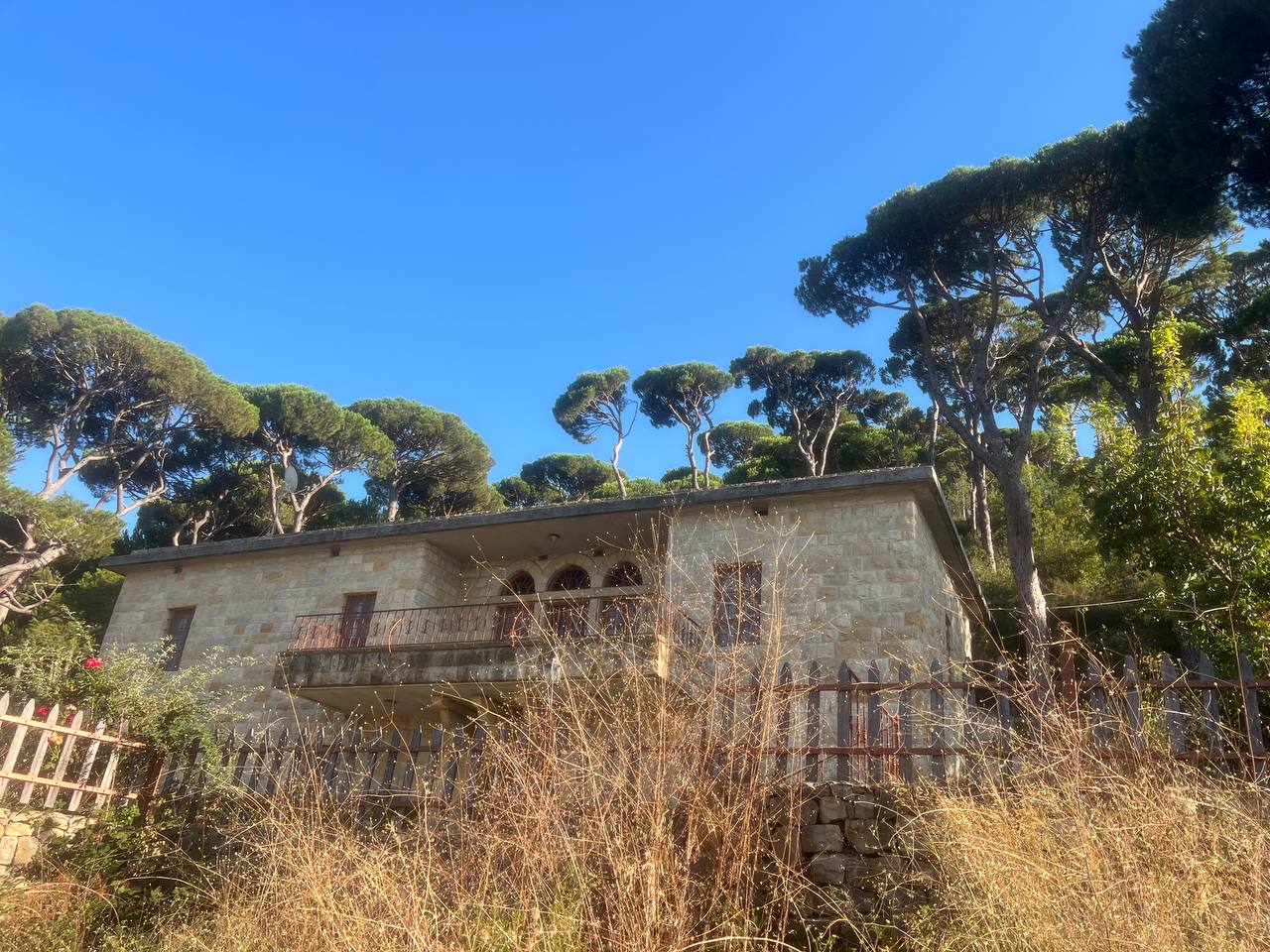
While Salima’s history dates back to the Mamluk era, its true flourishing began in the 17th century when the seat of the Lam’i dynasty’s rule was relocated there, transforming the town into a significant political and administrative hub in Mount Lebanon. The town played a pivotal role during the eras of the Shihab Emirate and the Mutasarrifate, serving for a time as the administrative center for the Upper Metn region.
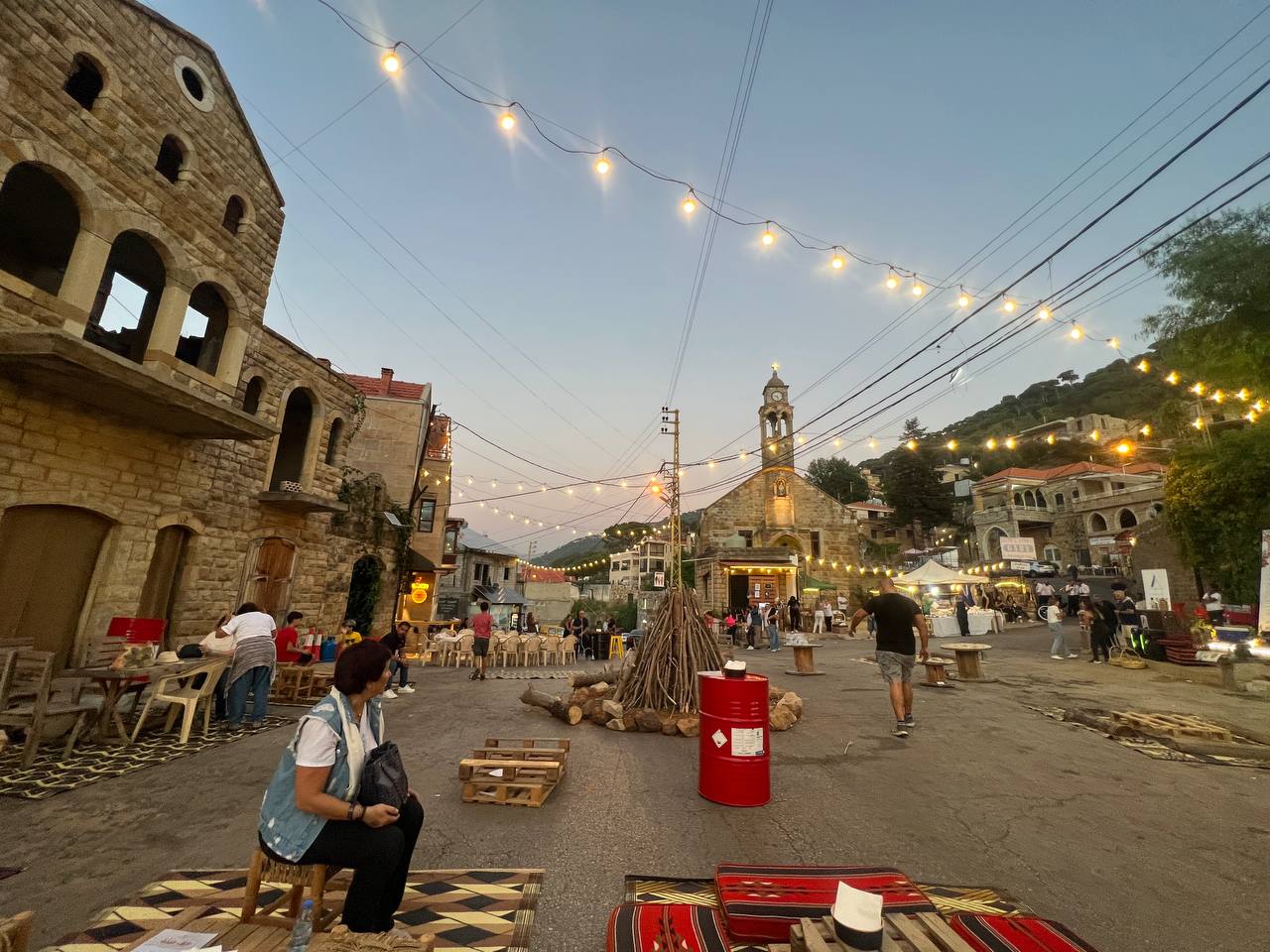
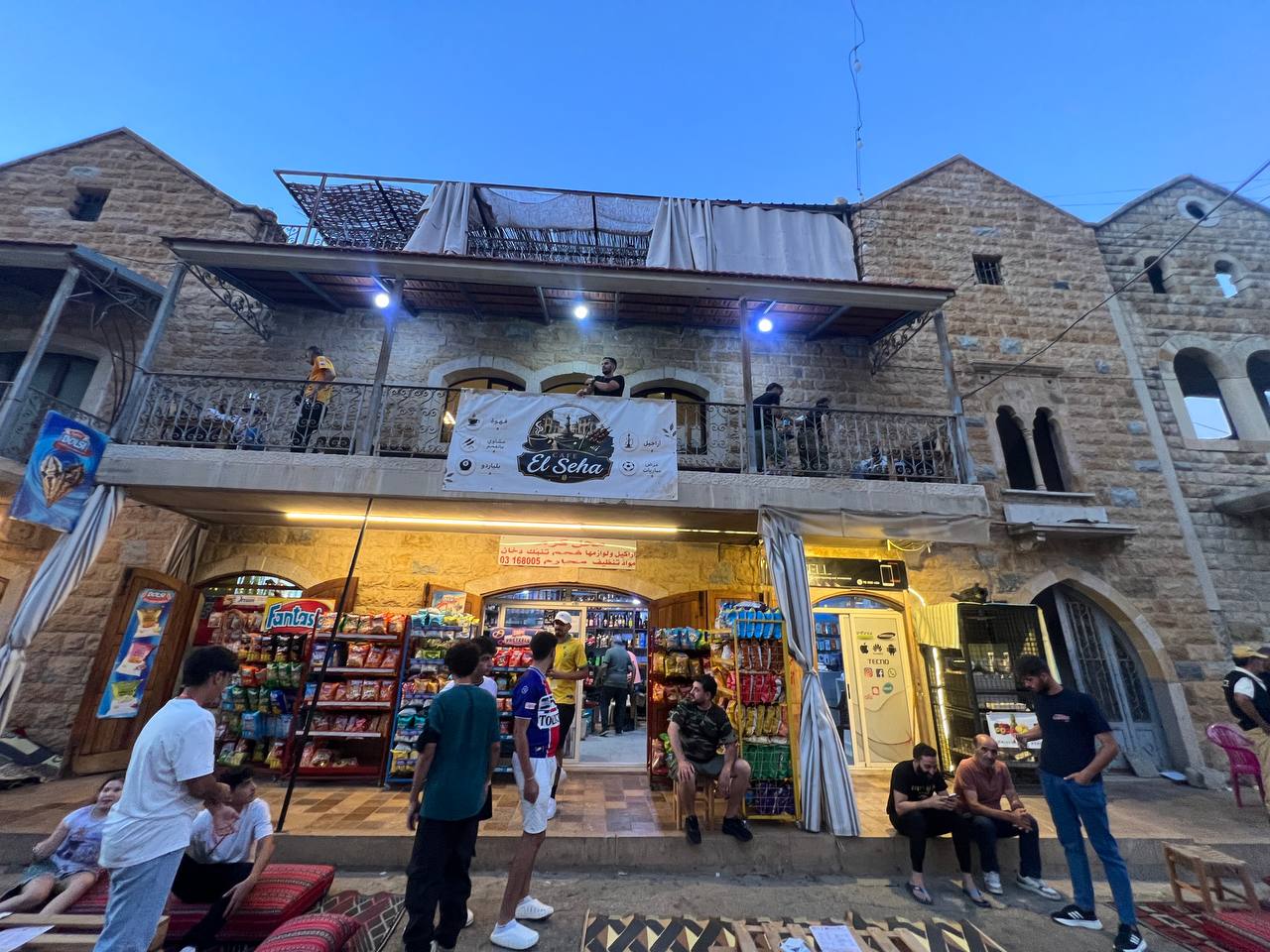
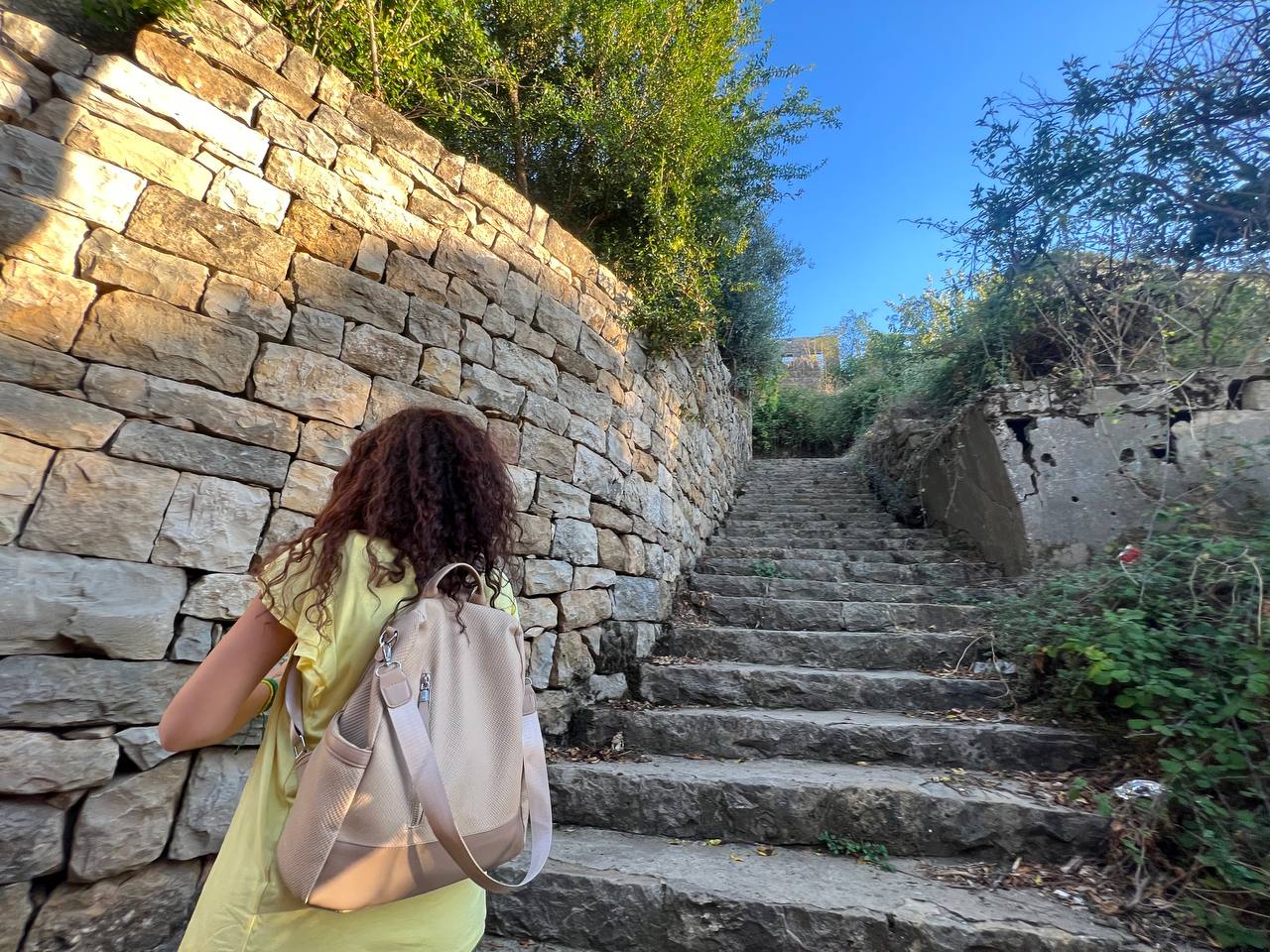
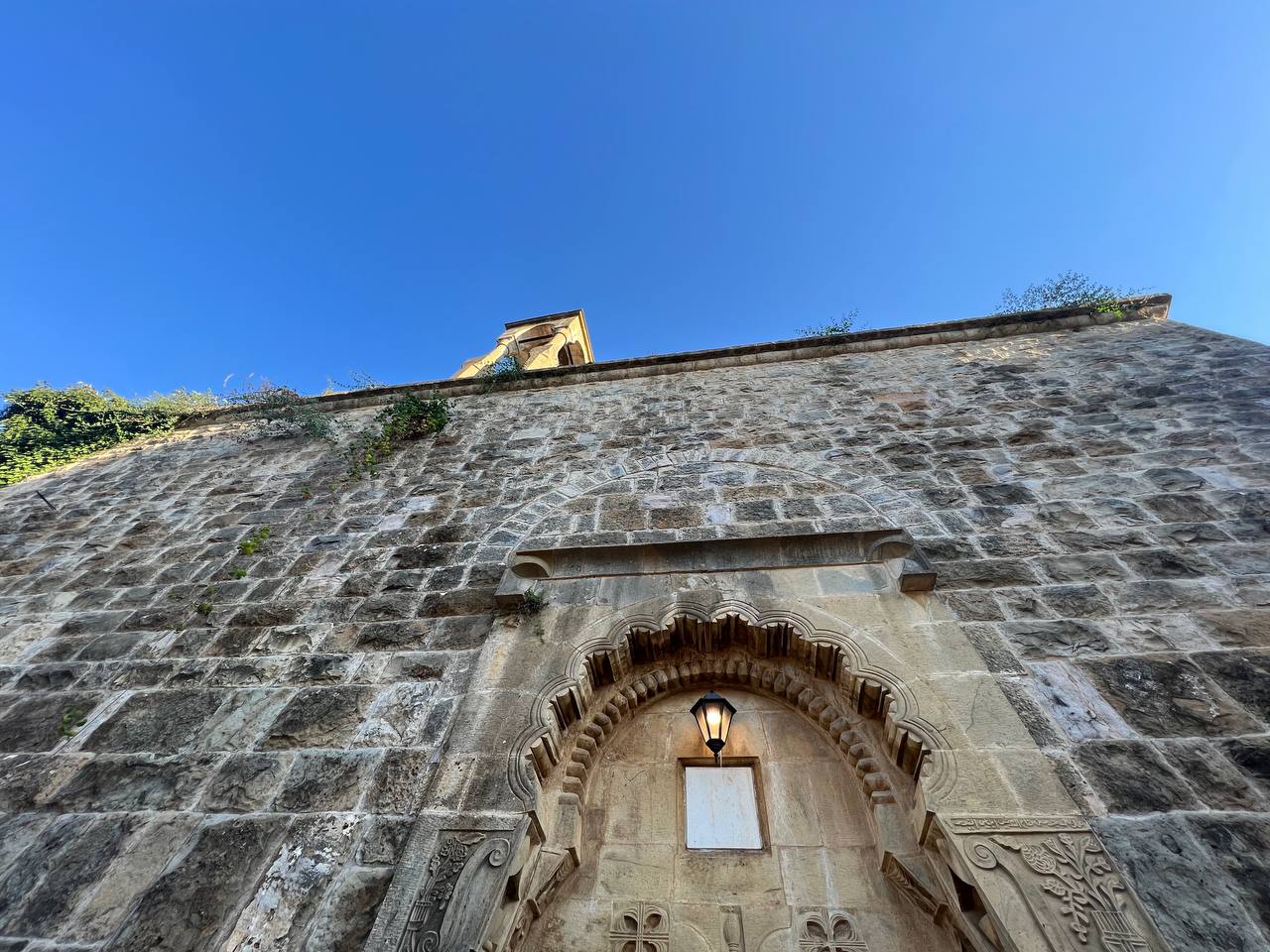
The Serail of the Lam’i Emirs stands as the town’s most prominent historical landmark; built between 1620 and 1630, it was one of the largest and most architecturally advanced Lam’i palaces of that period.
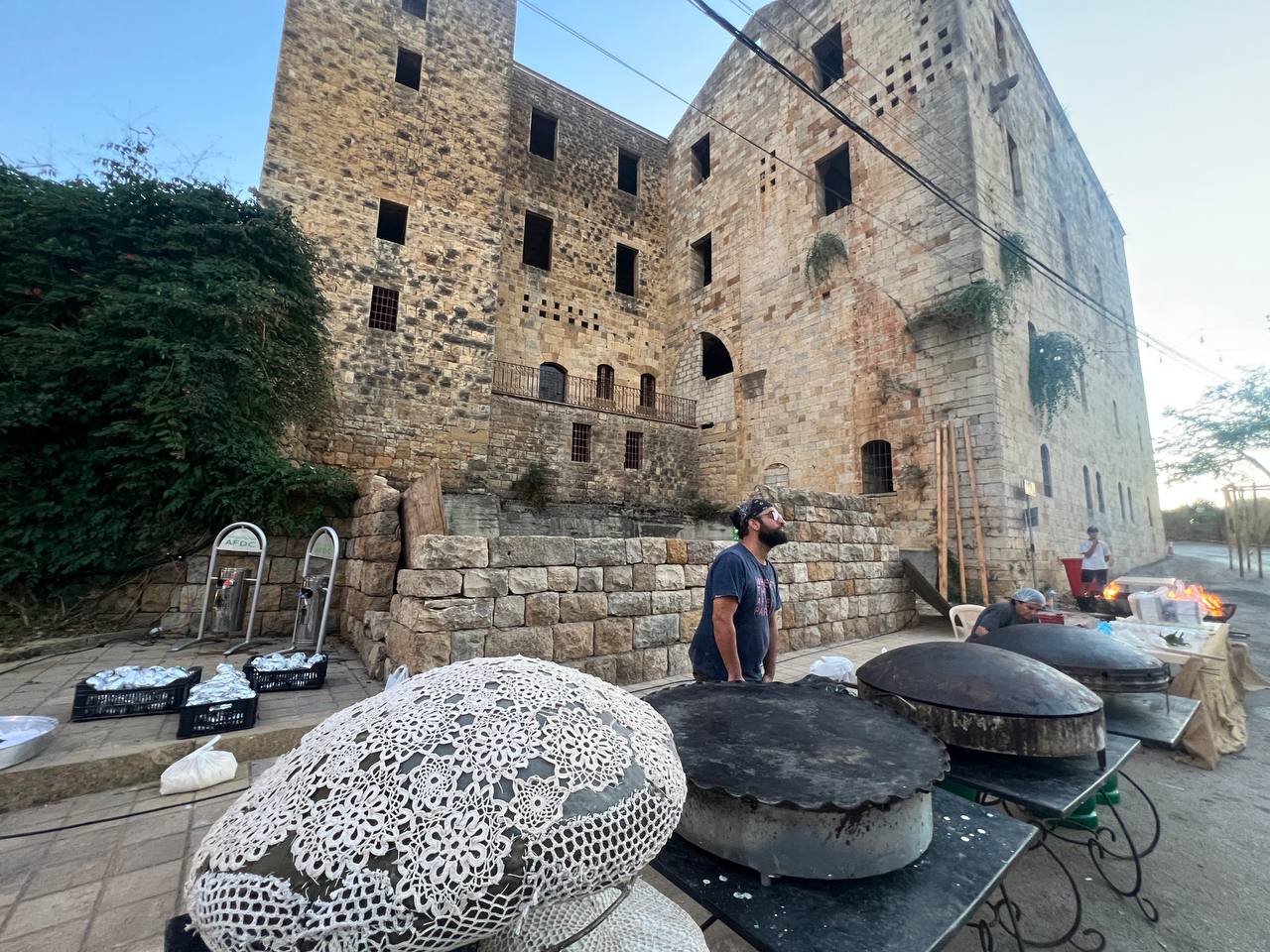
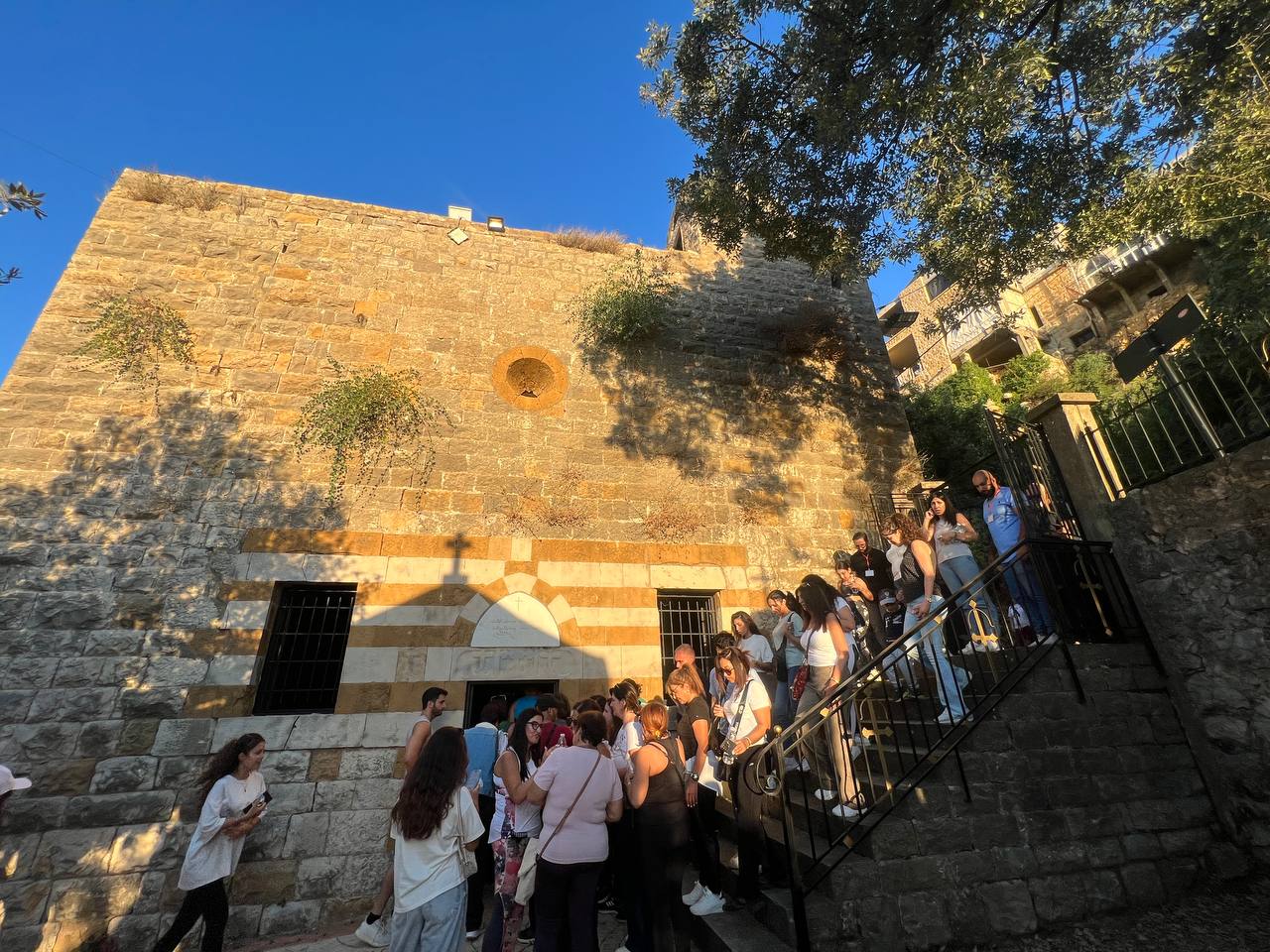
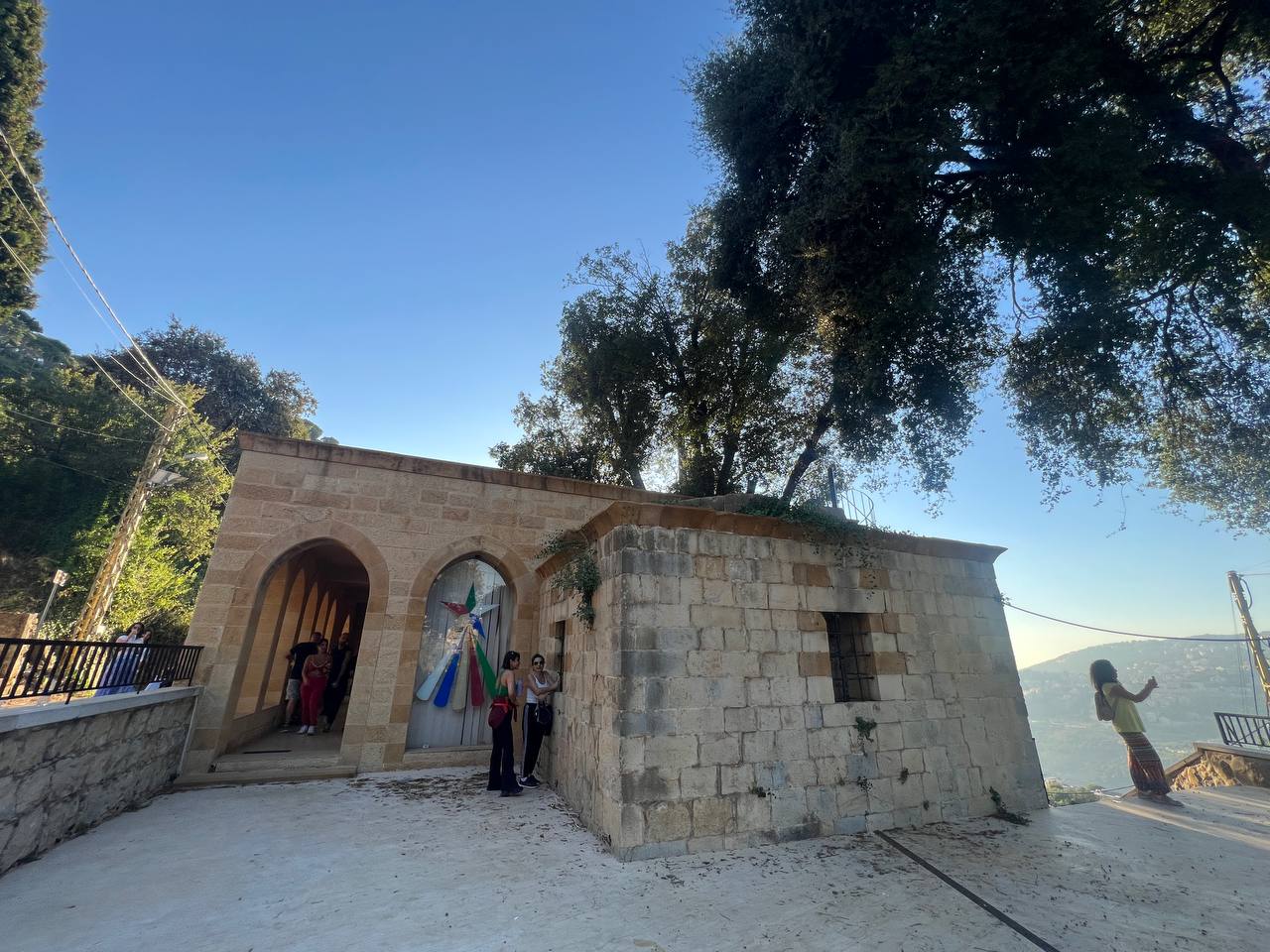
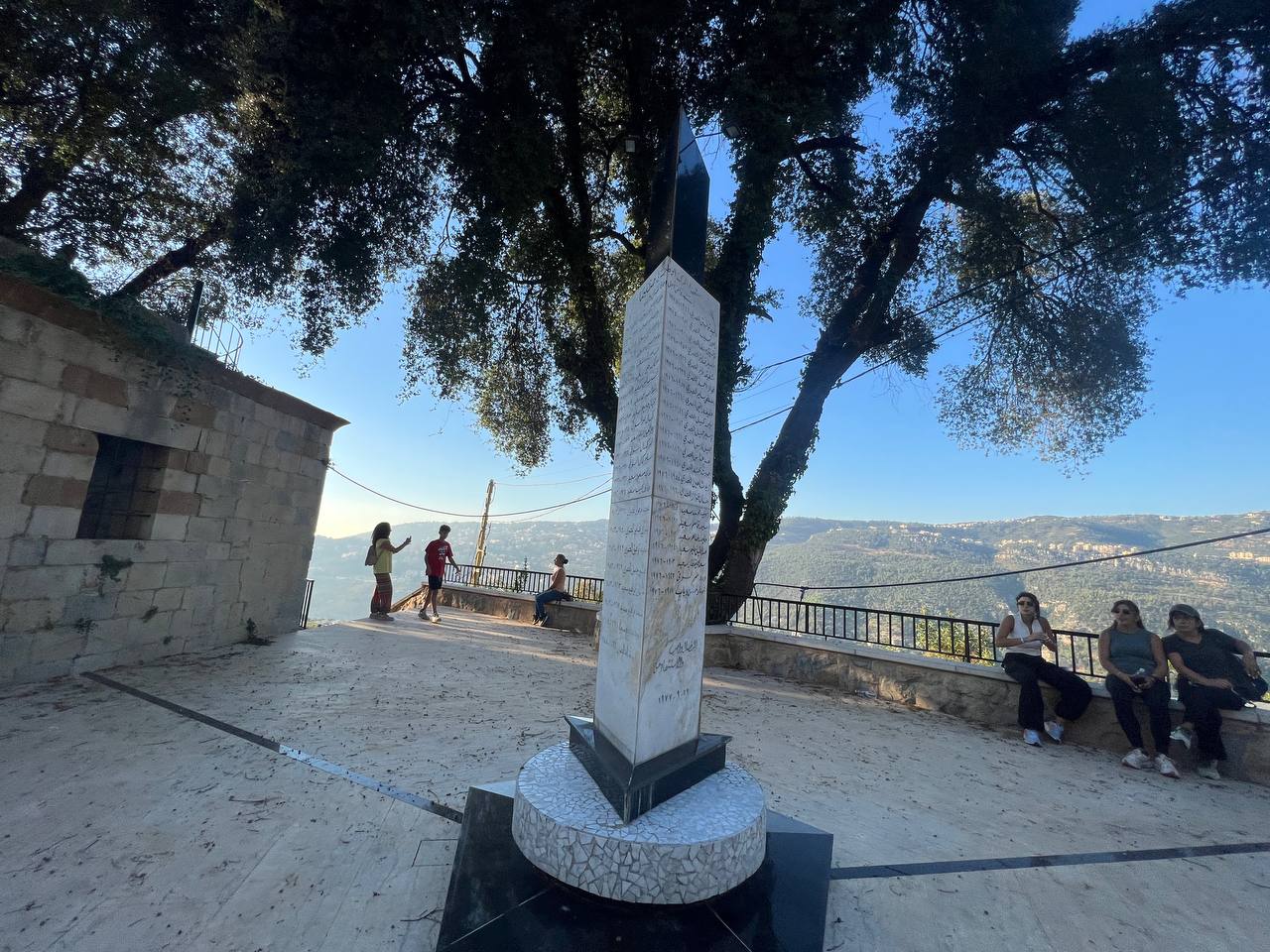
The Shrine of Sitt Zahr Abi Al-Lama in the town of Salima (Baabda District, Mount Lebanon) is a prominent historical religious site dedicated to the pious and virtuous “Sitt Zahr”—daughter of Emir Mansour Murad Abi Al-Lama—and is located east of the historic Salima Serail. Sitt Zahr’s Character: She was known as a devout, pure, and chaste woman, and stands as one of the most notable women of the Bani Ma’rouf community in history.
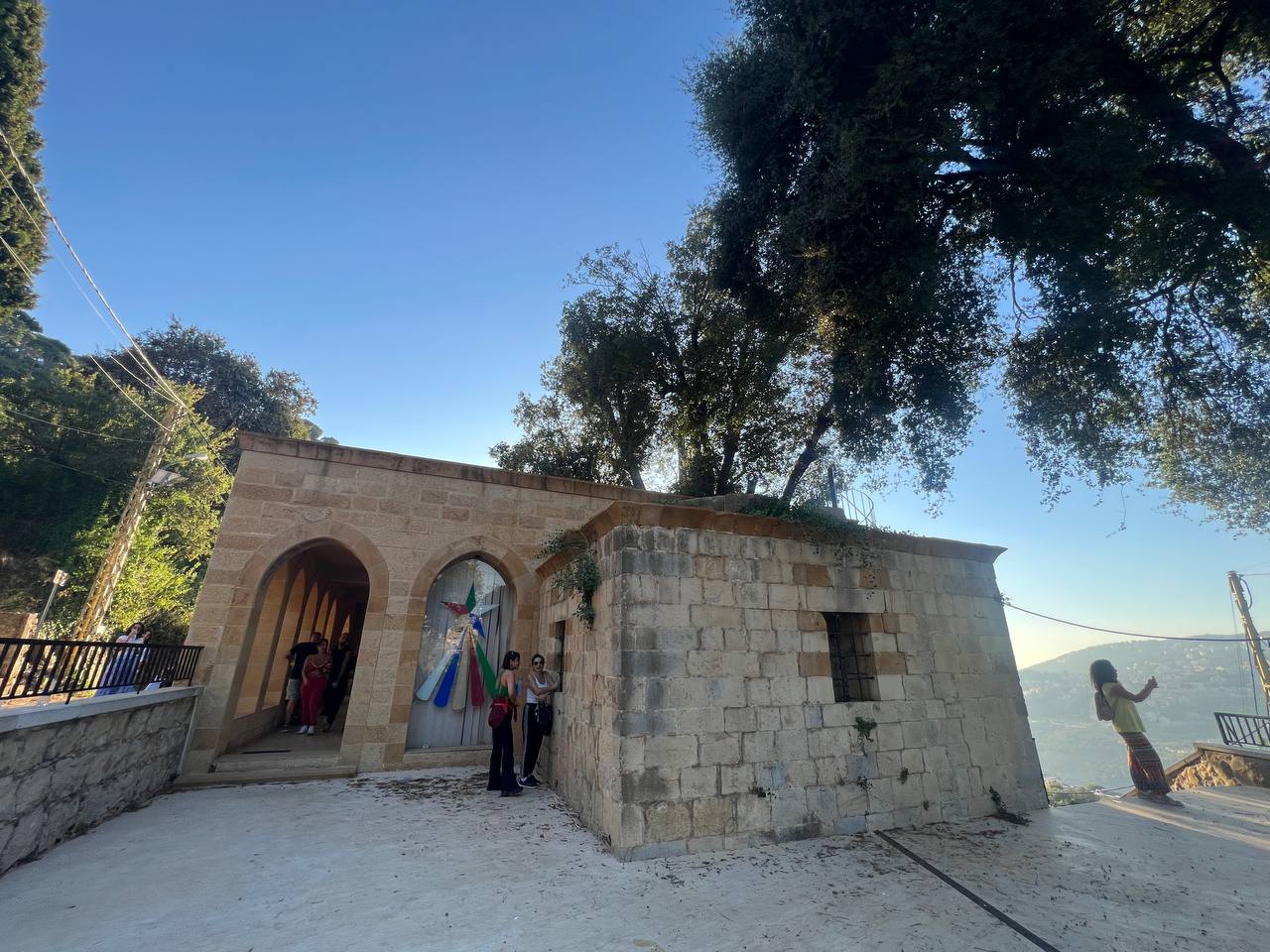
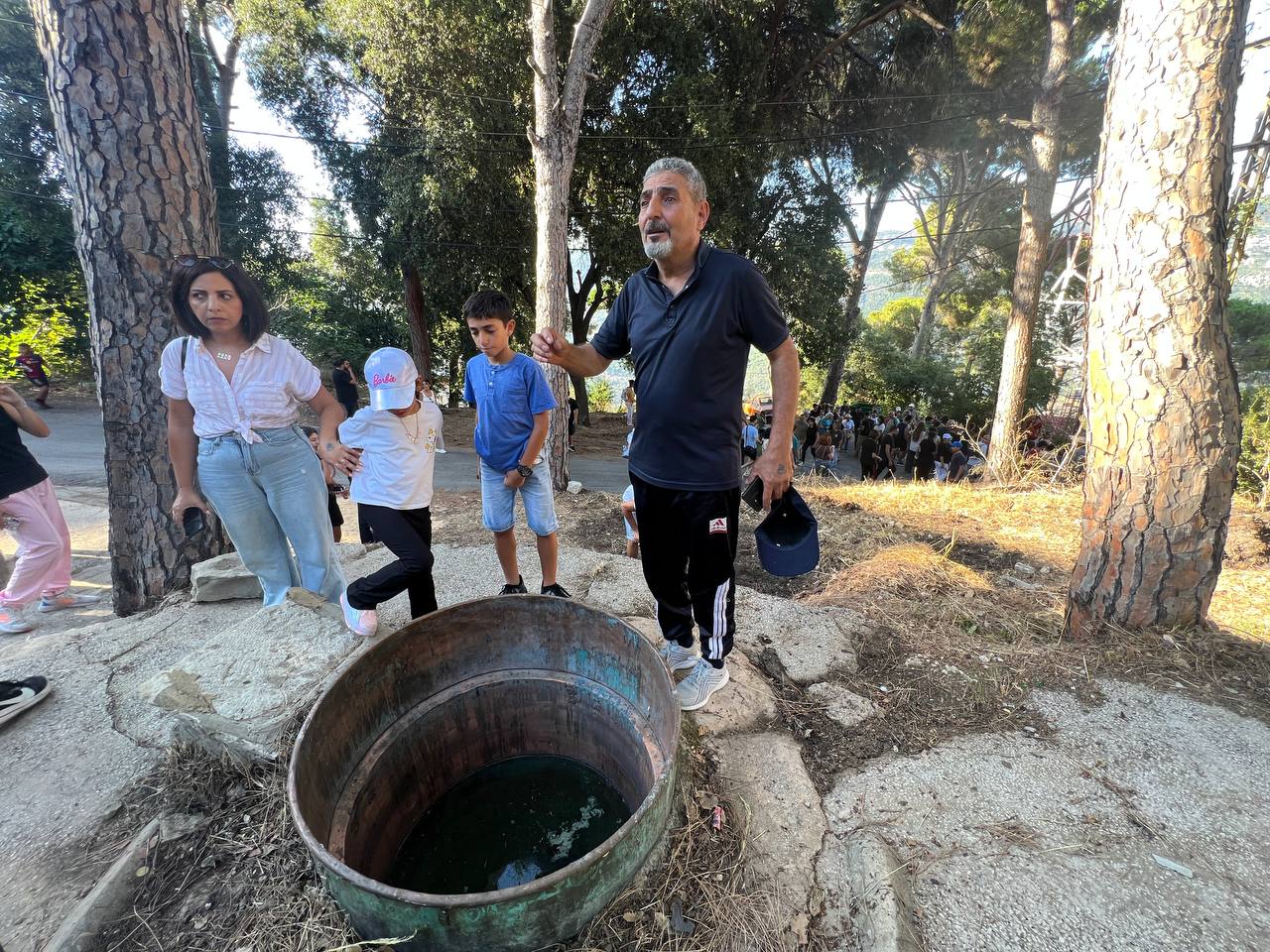
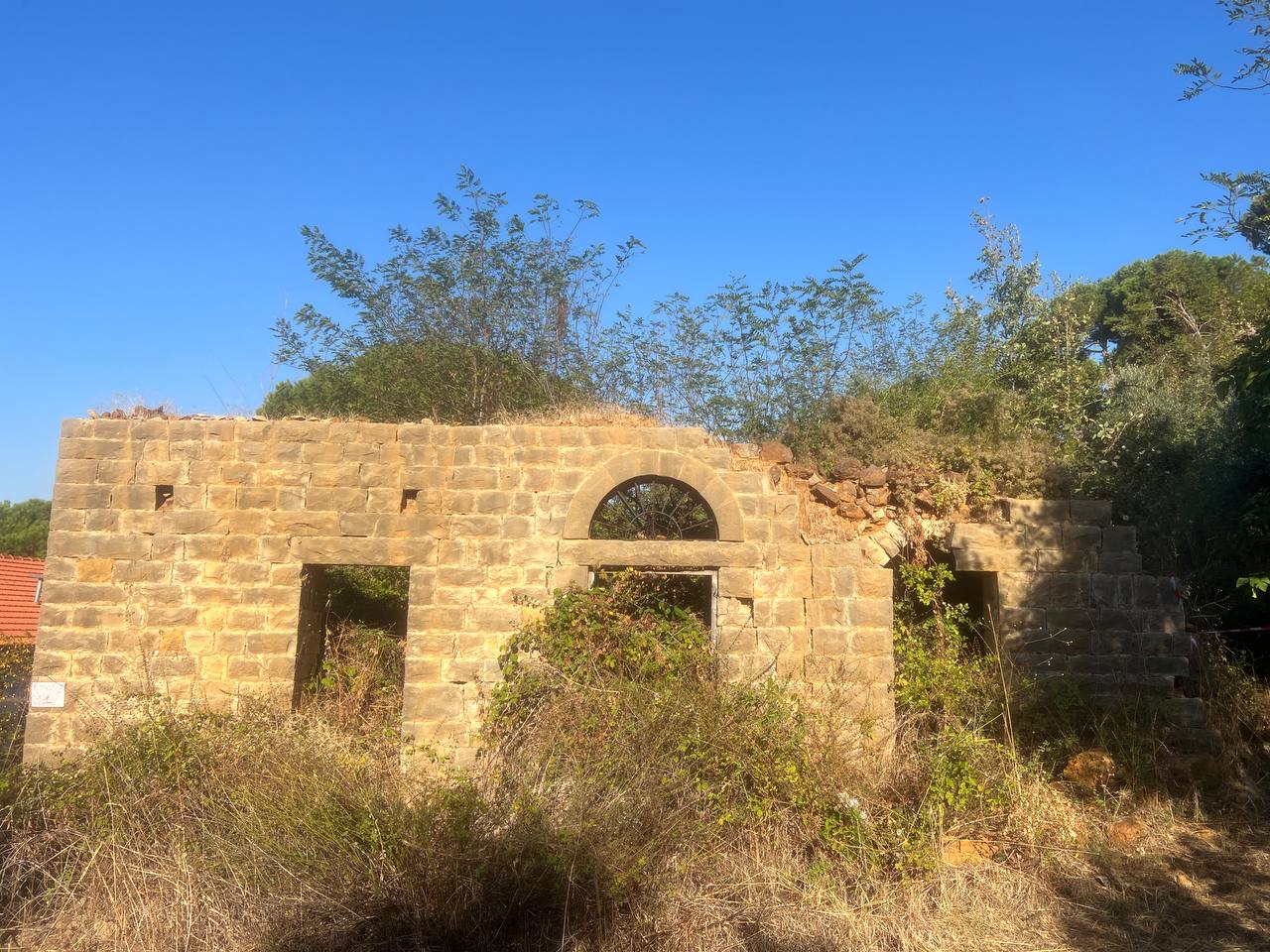
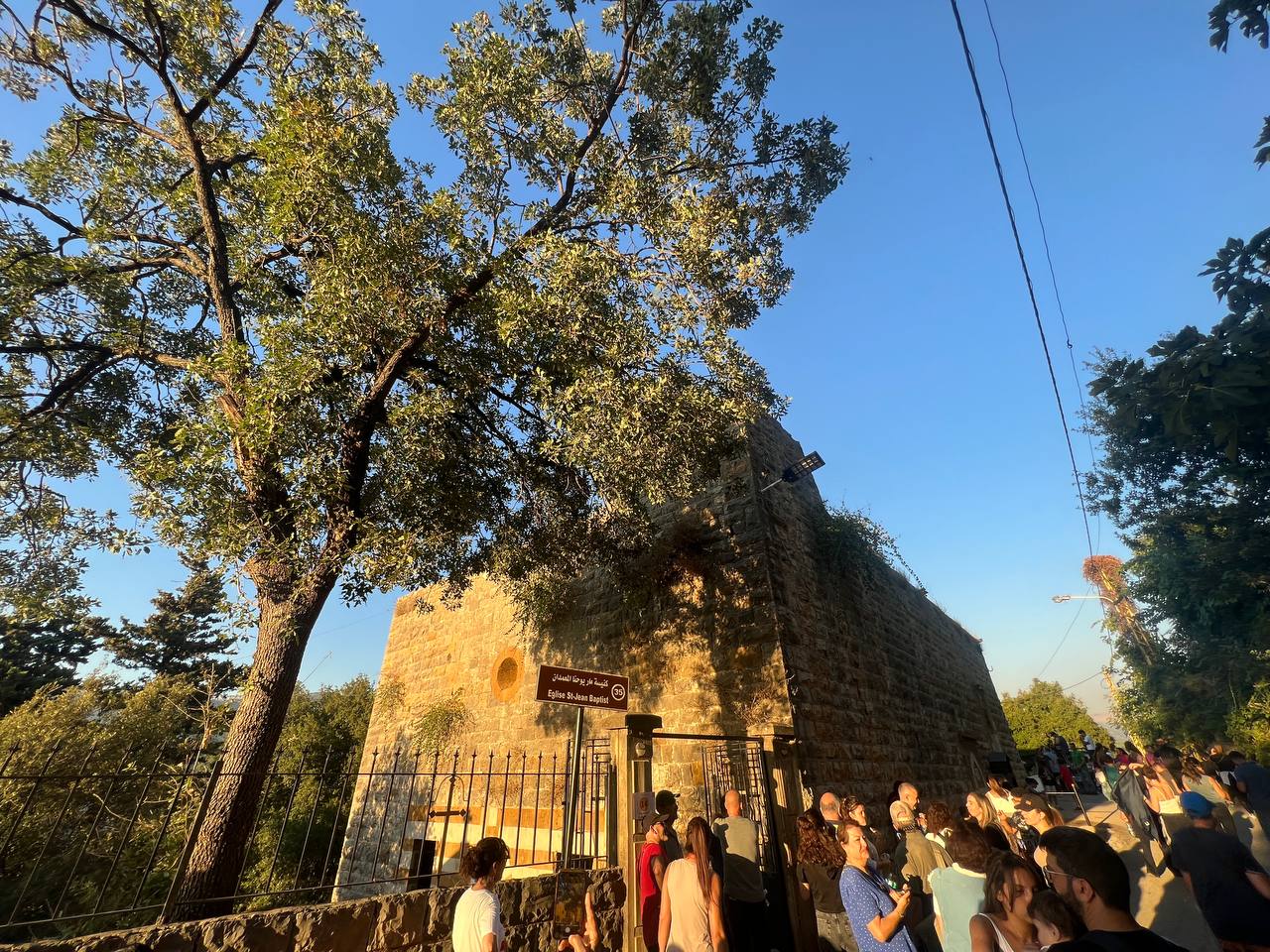
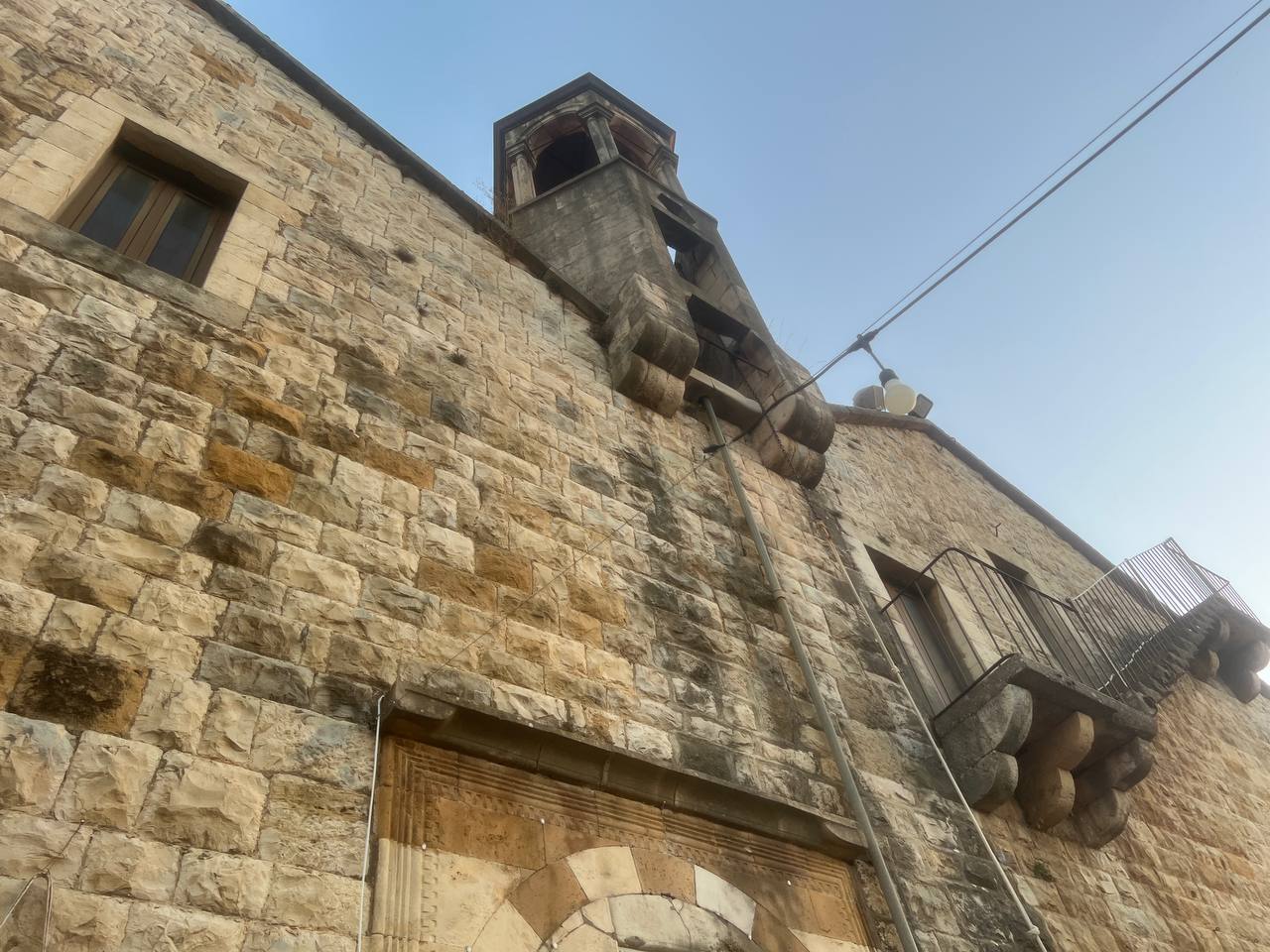
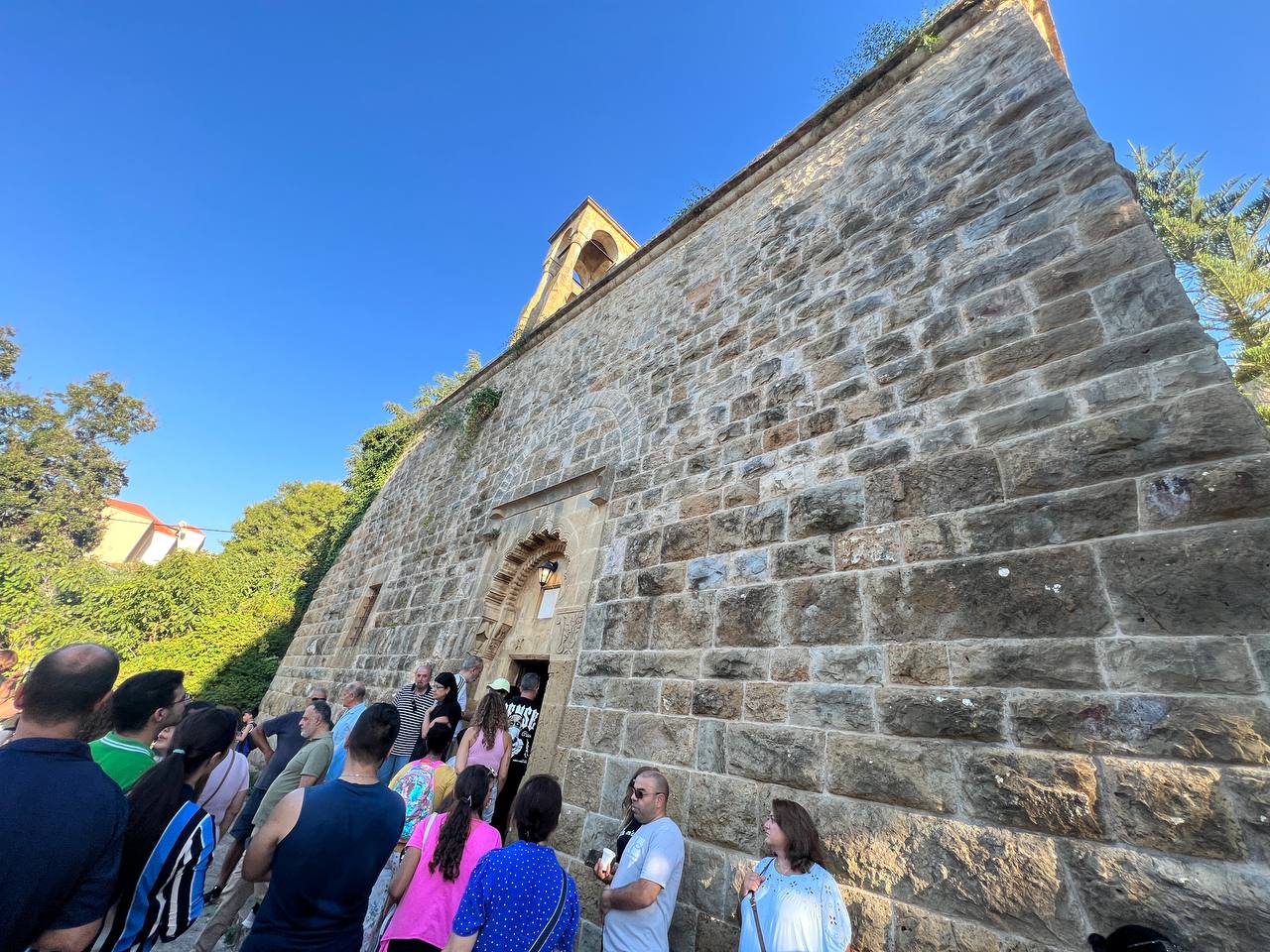
One may visit the Seraglio built by the Abillama princes, old churches such as those of Our Lady and of Saint John, the monastery of Mar Butros, the ruins of the house of the first Lebanese emigrant Antonios Beshalani, a wine press, and a silk factory.

 Chat with US